
Architectural Requirements for AI Workload Integration
1. Silicon Engineering Deep-Dive: NPU Architectures, Memory Bottlenecks & Thermal Limits
Integrating high-performance AI execution into automotive-grade ECUs exposes severe hardware engineering constraints that go beyond basic compute metrics.
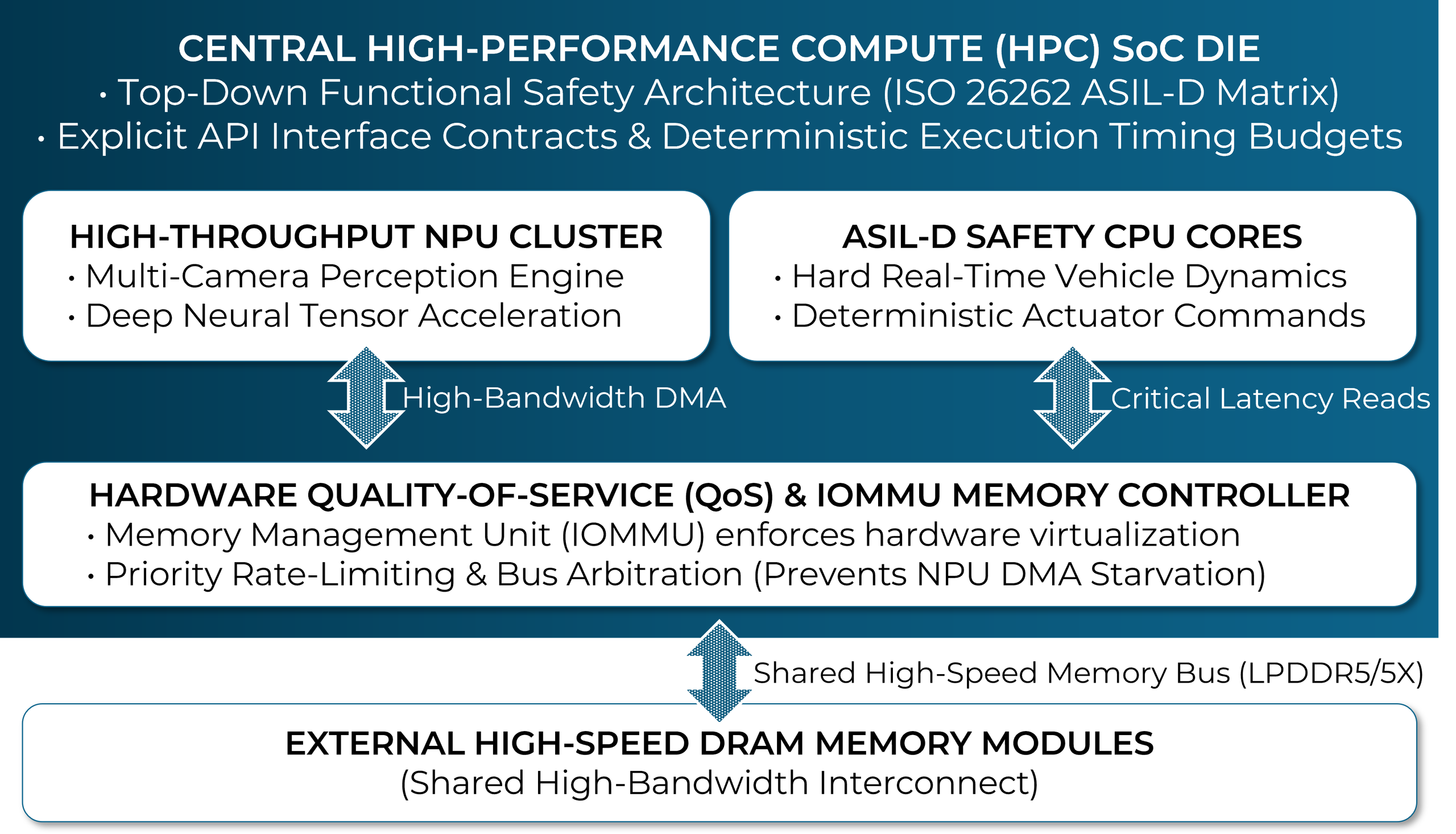
Figure 7.4 | Protecting Deterministic Safety Workloads from AI Memory Contention
Source: LOCKS Technology Consulting
The Memory Wall: Bus Contention, DMA Streams, and Memory Bottlenecks
In deep neural network execution, memory bandwidth rather than arithmetic throughput alone — frequently acts as the primary system constraint:
- The Shared Bus Threat: In a centralized High-Performance Compute (HPC), high-throughput NPUs share physical DRAM channels with real-time ASIL-D CPU cores.
- DMA Contention & Latency Jitter: When an NPU executes large tensor operations, it generates sustained Direct Memory Access (DMA) traffic to stream weights and activation maps. Without hardware-enforced isolation, these DMA bursts can saturate the interconnect, introducing unpredictable latency variation (jitter) into safety-critical CPU execution threads.
- IOMMU & QoS Isolation: To preserve real-time determinism, target silicon relies on an Input-Output Memory Management Unit (IOMMU) alongside hardware-enforced QoS memory controllers. The IOMMU isolates address spaces across operational domains, while the QoS engine dynamically manages bandwidth allocation to ensure real-time CPU control tasks are prioritized.
Thermal Dissipation Boundaries & Efficiency Scaling
Vehicle Integration places strict boundaries on silicon thermal design power (TDP):
- Cooling Topology Constraints: Passively cooled or air-cooled automotive ECUs typically operate within tightly defined power budgets depending on enclosure size and location. When total SoC power demands exceed typical passive dissipation capabilities, liquid cooling integration becomes necessary — introducing added BOM cost, packaging volume, and mechanical complexity.
- TOPS/Watt Optimization: To keep thermal envelopes manageable, silicon architects prioritize integer quantization (e.g., INT8, INT4 or emerging FP8 matrix operations) and structural sparsity support. Specialized NPUs leverage these techniques to maximize inferencing throughput per watt compared to more generalized compute blocks.
2. The Data Liquidity Dilemma: Standardized Semantic Abstraction vs. Zero-Trust Security
Deploying AI workloads within a vehicle platform exposes a fundamental structural conflict between cybersecurity governance and data accessibility. AI models thrive on data liquidity: a predictive maintenance algorithm or cross-domain energy optimizer requires continuous streams of high-frequency signal access across body, chassis, thermal, and powertrain domains.
However, traditional E/E architectures rely on signal-based CAN/LIN buses with isolated message catalogs, where signals are trapped in functional domain silos. Concurrently, modern regulatory mandates (UNECE R155/R156) enforce zero-trust security paradigms, strict domain isolation, encrypted bus communication, and continuous Intrusion Detection Systems (IDS).
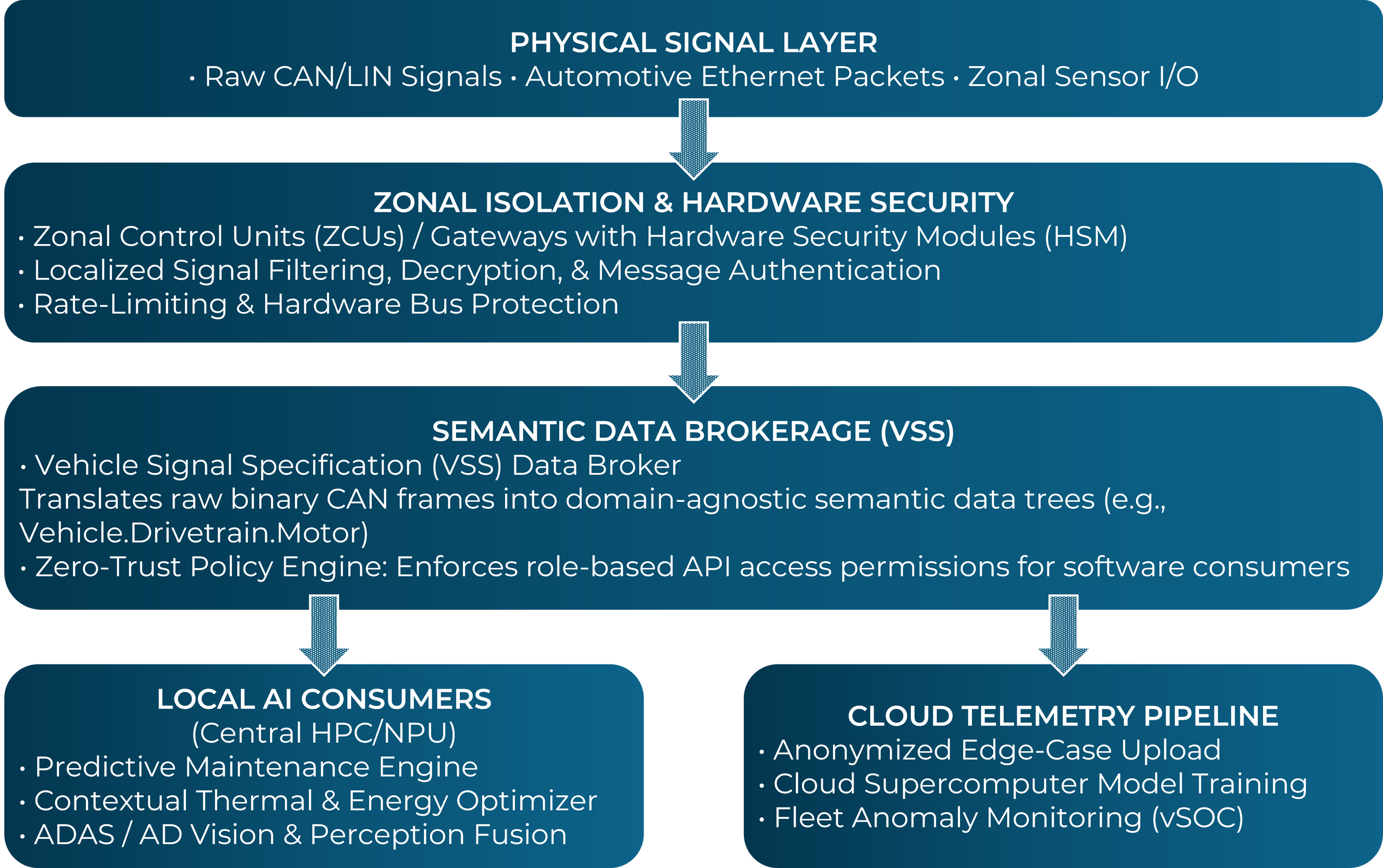
Figure 7.5 | Bridging Data Liquidity and Cybersecurity Through Semantic Abstraction
Source: LOCKS Technology Consulting
To resolve this dilemma, target E/E architectures increasingly leverage a Semantic Data Abstraction Layer (utilizing standards such as W3C/COVESA Vehicle Signal Specification / VSS) integrated into a Security-by-Design Data Pipeline:
- Signal Translation & Decoupling: Zonal Control Units (ZCUs) collect raw peripheral signals from localized buses, perform signal conditioning, and package raw data into standardized VSS data objects.
- Authenticated API Subscriptions: Central POSIX operating systems and middleware run zero-trust policy engines. AI workloads subscribe to specific VSS data streams via authenticated, encrypted APIs. This grants AI consumers frictionless access to cross-domain vehicle states without exposing low-level bus topologies or breaking UNECE R155/R156 cybersecurity compliance.
3. Edge-to-Cloud Compute Allocation Matrix
Architecting an AI-enabled vehicle platform requires balancing execution latency, network bandwidth consumption, hardware cost, and thermal dissipation limits. The table below outlines the architectural distribution of AI workloads across heterogeneous compute layers:
Table 7.1 | End-to-End Allocation of Automotive AI Workloads
| Compute Tier | Target Hardware | Typical AI Workload Scope | Latency Target | Thermal & Bandwidth Constraints |
|---|---|---|---|---|
| Edge Peripheral (Sensors) | TinyML Accelerators, Low-power NPUs | In-sensor signal noise filtering, local vibration analysis, raw object detection. | < 1 ms | Strict localized thermal limits; reduces high-bandwidth raw streaming across central buses. |
| Zonal Control Units (ZCUs) | Real-Time MCUs with Vector/NPU Extensions | Localized actuator diagnostic anomalies, zonal power forecasting, raw signal translation. | 1–5 ms | Typically air-cooled; requires strict real-time determinism (ASIL-B/D). |
| High-Performance Compute (HPC) Core | High-TOPS SoCs (CPU + NPU Clusters) | Multi-sensor perception fusion, trajectory planning, in-cabin natural language LLMs. | 10–50 ms | Higher power budget; requires hardware memory QoS and isolated interconnect channels. |
| Backend / Edge Cloud | Hyperscaler Cloud Supercomputer Clusters | Fleet-wide thermal learning models, global predictive maintenance, AI retraining pipelines. | > 500 ms | Dependent on cellular connectivity; non-safety-critical execution tier. |
4. Operationalizing the Fleet Data Engine: Shadow Mode & Post-SOP Retraining
An AI-enabled vehicle architecture is never static at Start of Production (SOP). The true long-term competitive advantage lies in the operational Fleet Data Engine transforming production vehicles into continuous edge data harvesters:
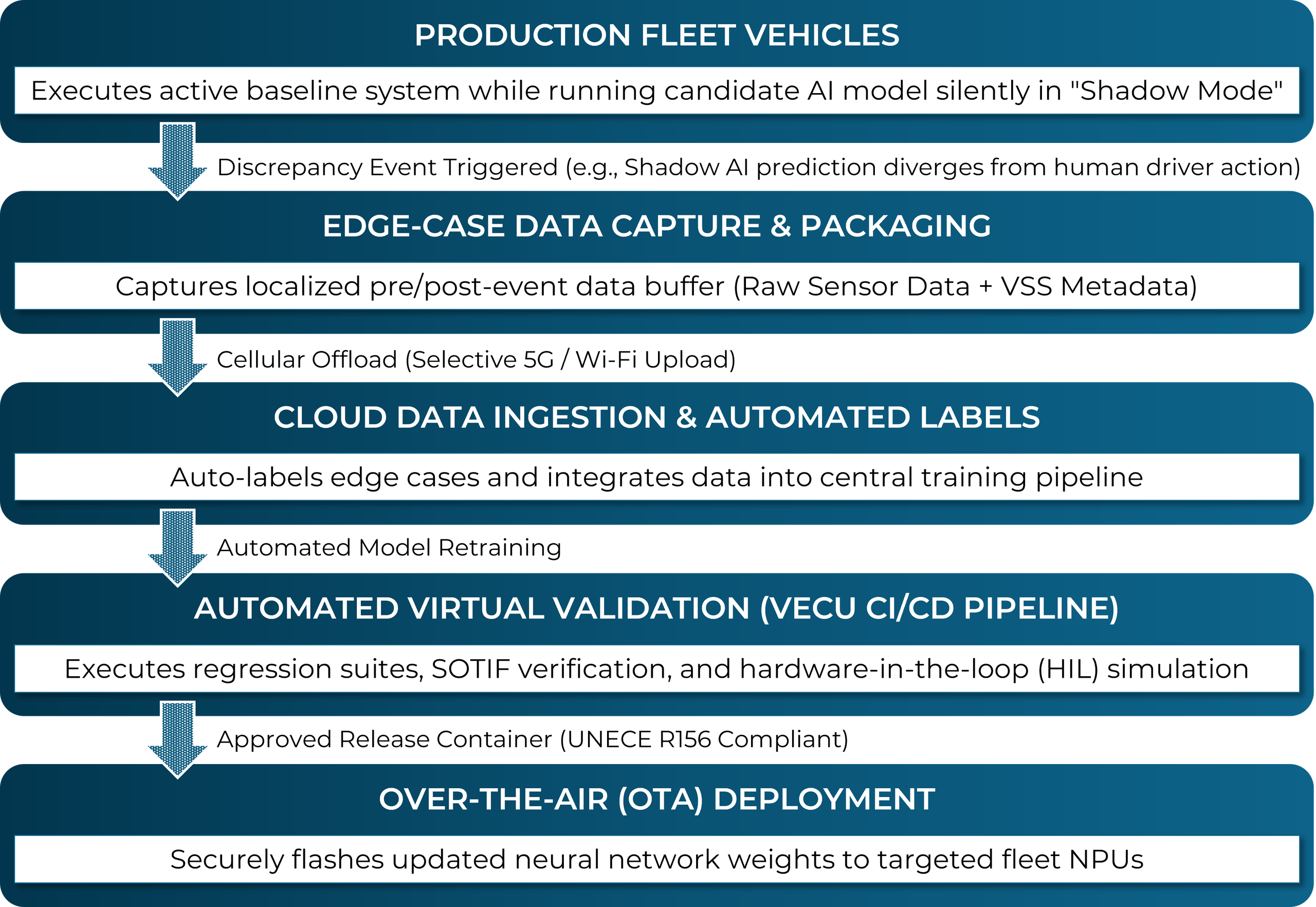
Figure 7.6 | The Closed-Loop Fleet Learning Engine
Source: LOCKS Technology Consulting
The Closed-Loop Operational Execution
- Shadow Mode Execution: Candidate AI models run silently in the background of production vehicles on central NPUs. The shadow model processes live sensor streams and generates control trajectories without issuing physical actuation commands.
- Discrepancy Triggering: If the candidate model’s predicted trajectory diverges from the human driver’s physical actions or the active safety baseline beyond a defined threshold, a data capture event is triggered.
- Selective Telemetry Upload: The vehicle automatically packages a compressed, anonymized data snapshot (raw sensor clips, bus signals, VSS context metadata) and offloads it to the cloud data lake via cellular connectivity.
- Cloud Retraining & Virtual Validation: Cloud supercomputer clusters ingest the edge-case data, auto-label the scenario as far as possible, and retrain the model. Before deployment, the updated model is validated through automated, cloud-hosted virtual ECU (vECU) CI/CD pipelines to ensure regression-free execution and SOTIF compliance.
- Targeted OTA Deployment: Once verified, the updated AI model package is pushed back to the production fleet via over-the-air (OTA) updates, closing the lifecycle learning loop and continuously expanding the platform’s capability ceiling.